Your child is squinting at the board.
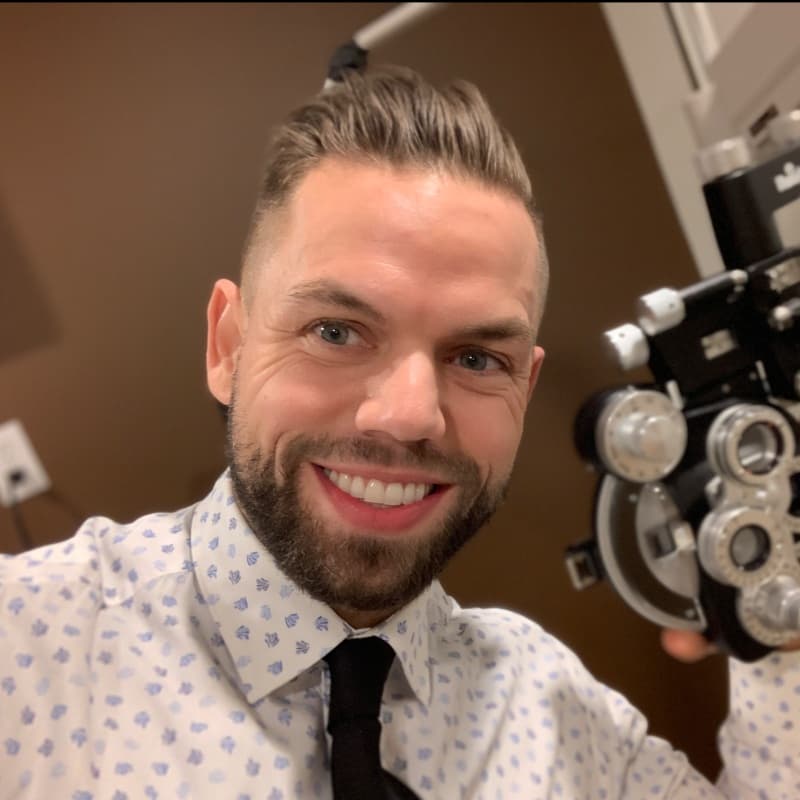
Childhood myopia progression is no longer a “wait and see.” Dr. Matt Carlson runs a structured myopia-control program at Puget Sound Eye Care — MiSight, Ortho-K, and Stellest lenses — chosen based on your child’s eyes, your family’s routine, and what we measure over time.
The right treatment depends on your child’s eyes.
MiSight Daily Contact Lenses
$1,500–$2,500/year
Who it’s for: Children 7+ who can manage soft contacts. Worn during the day.
How it works: Dual-focus optical design creates peripheral defocus that slows axial elongation. Daily disposable — no cleaning routine.
Ortho-Keratology (Ortho-K)
$2,000–$4,000 initial + $300–600/year
Who it’s for: Children who want clear vision during the day without wearing lenses. Moderate myopia (up to –6.00).
How it works: Rigid gas-permeable lenses worn overnight. They gently reshape the cornea — the child sees clearly all day without any correction.
Learn about Ortho-Keratology →Stellest Spectacle Lenses
$800–$1,200/year
Who it’s for: Children 6+ not ready for contact lenses. Glasses preferred.
How it works: HALT technology creates a volume of light in front of the retina, signaling the eye to slow growth. Standard-looking glasses — no cosmetic tradeoff.
What parents ask most.
What is myopia control?
Myopia control is a set of treatments — MiSight daily-disposable contacts, overnight Ortho-K, and Stellest spectacle lenses — that slow nearsightedness progression in children. At PSEC, Dr. Matt Carlson runs the program.
What age should my child start myopia control?
Most children begin between ages 7 and 12, when myopia typically progresses fastest. We evaluate axial length and refraction at the first visit and recommend treatment based on your child's eyes and your family's routine.
Does insurance cover myopia control?
Myopia control is generally not covered by vision insurance because it is considered elective. Annual program cost is $1,500–$4,000 depending on treatment type. We accept HSA and FSA accounts.
How long does myopia control treatment last?
Most children are on the program until their late teens, when myopia progression naturally slows. We re-evaluate annually and adjust the treatment as your child's eyes change.
What is the difference between MiSight and Ortho-K?
MiSight are daily-disposable soft contacts worn during the day. Ortho-K are rigid lenses worn overnight that reshape the cornea — the child sees clearly during the day without any lenses. The choice depends on the child's axial length, compliance, and your family's routine.
Ready to evaluate your child’s myopia progression?
The first step is a comprehensive exam with axial length measurement. Call or book online.